
Traceability in the food industry and the importance for your factory

In addition to an additional guarantee of product safety, traceability ensures greater quality control of what is produced.
The impact of data automation on food industry processes

Reducing costs, improving the process, and ensuring the highest quality for your products, these are some of the benefits of data automation within an industry.
KPIs: what they are and how to use them in your company’s laboratory management

The digital universe allows companies to monitor in a faster and more assertive way several processes within their production line.
Reasons to move from spreadsheets to LIMS

That Excel is one of the most important software programs in the world, this is undeniable. The ease and numerous possibilities of use and familiarity with the tool are great benefits. But is it the only or the best option for companies and laboratories seeking digital transformation?
The importance of understanding costs and optimizing resources

A company, regardless of its size and segment, needs to know how to manage costs and investments in order to remain competitive and profitable in the market.
8 benefits of digitizing lab processes

Digitizing processes within a laboratory is a way to modernize the work system, save time and resources, and increase the productivity of your staff.
What are PACs and how can a lab management platform help?
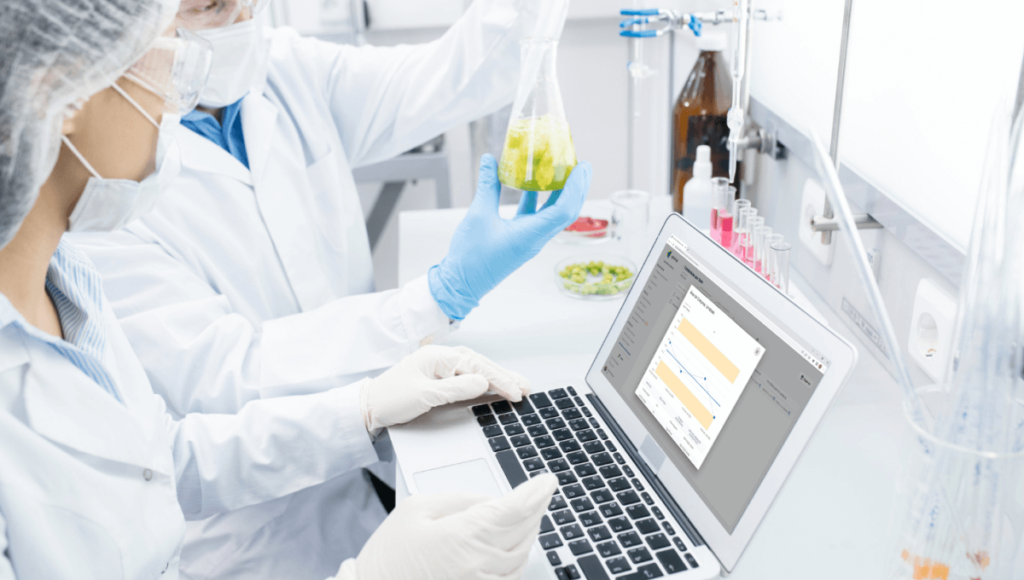
The idea of this article is to present a little more about what Autocontrol Programs (PAC) are and how laboratory information management software can help you to further optimize these processes with digitized procedures and easy access to information.
NIRS technology: how it works and what impact it has on formulation
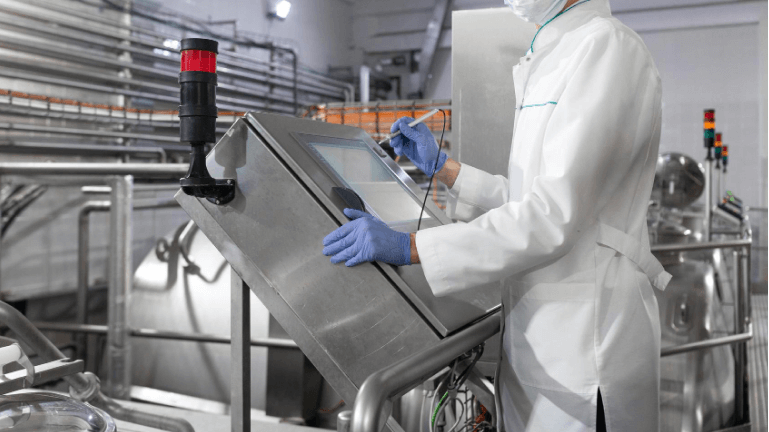
NIRS technology has enormous potential to improve the monitoring and control of processes involving quality management and feed production within factories.
5 ways to reduce costs by (re)optimizing your formulation

Below we list some principles that managers can use to find ways to optimize the performance and profitability of their operations through the formulation and reformulation of their products.
Stability in variability: how quality management and formulation are connected

Based on qualitative and bromatological analyses of the inputs and finished products, quality and formulation can work together to increase the value of the raw materials, bringing the nutritional levels of the formulated product closer to those produced, and reducing production costs.